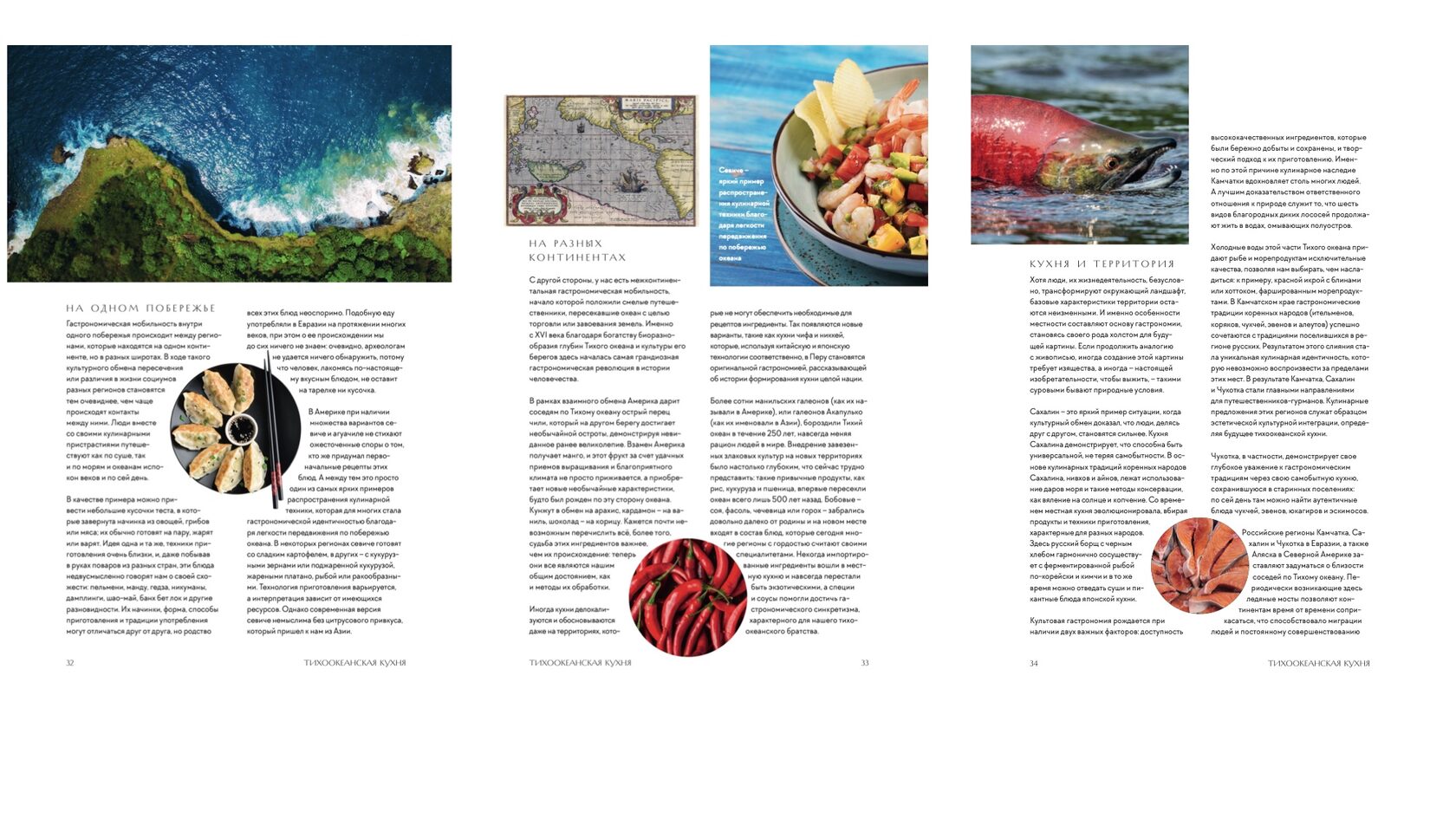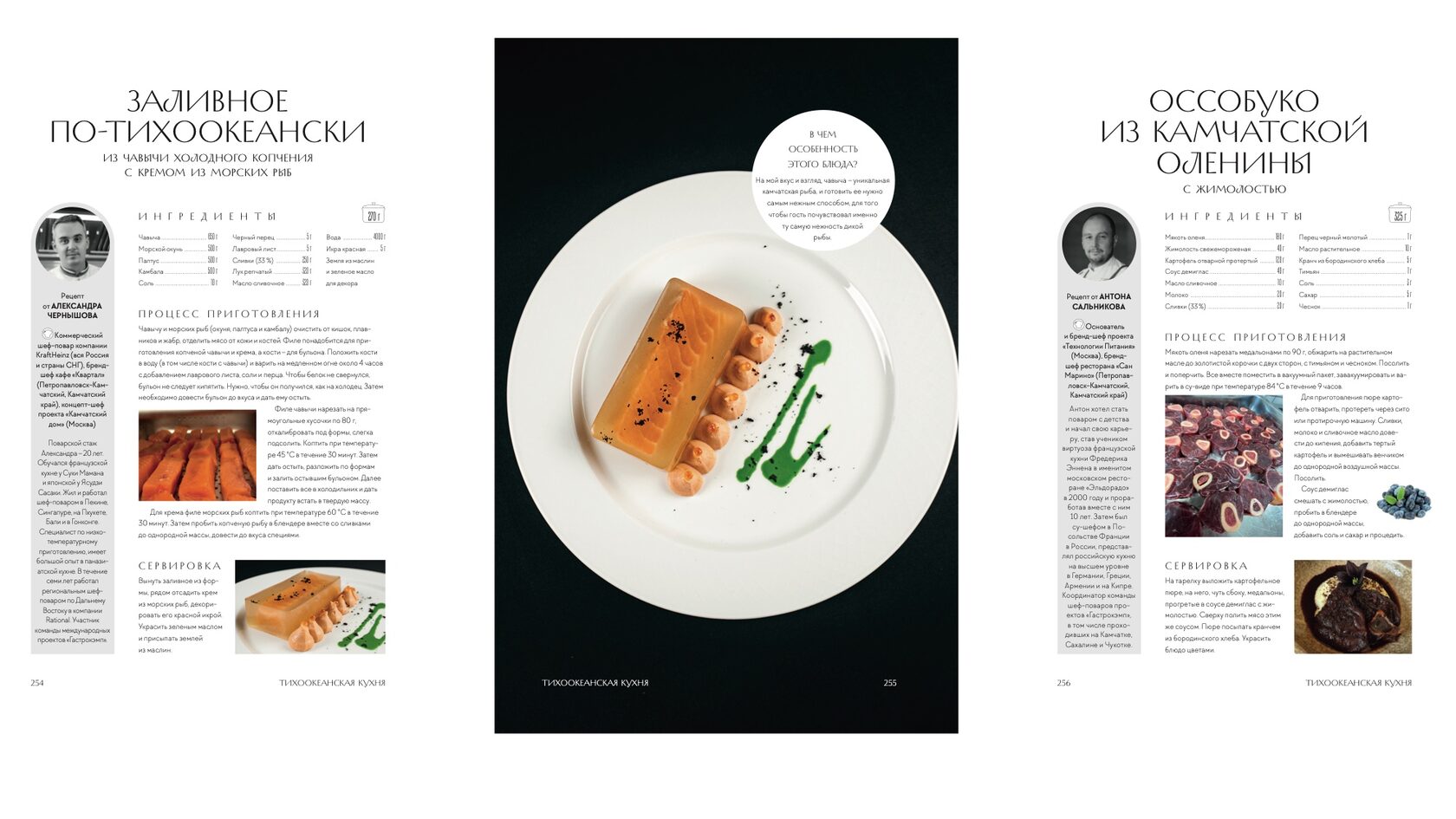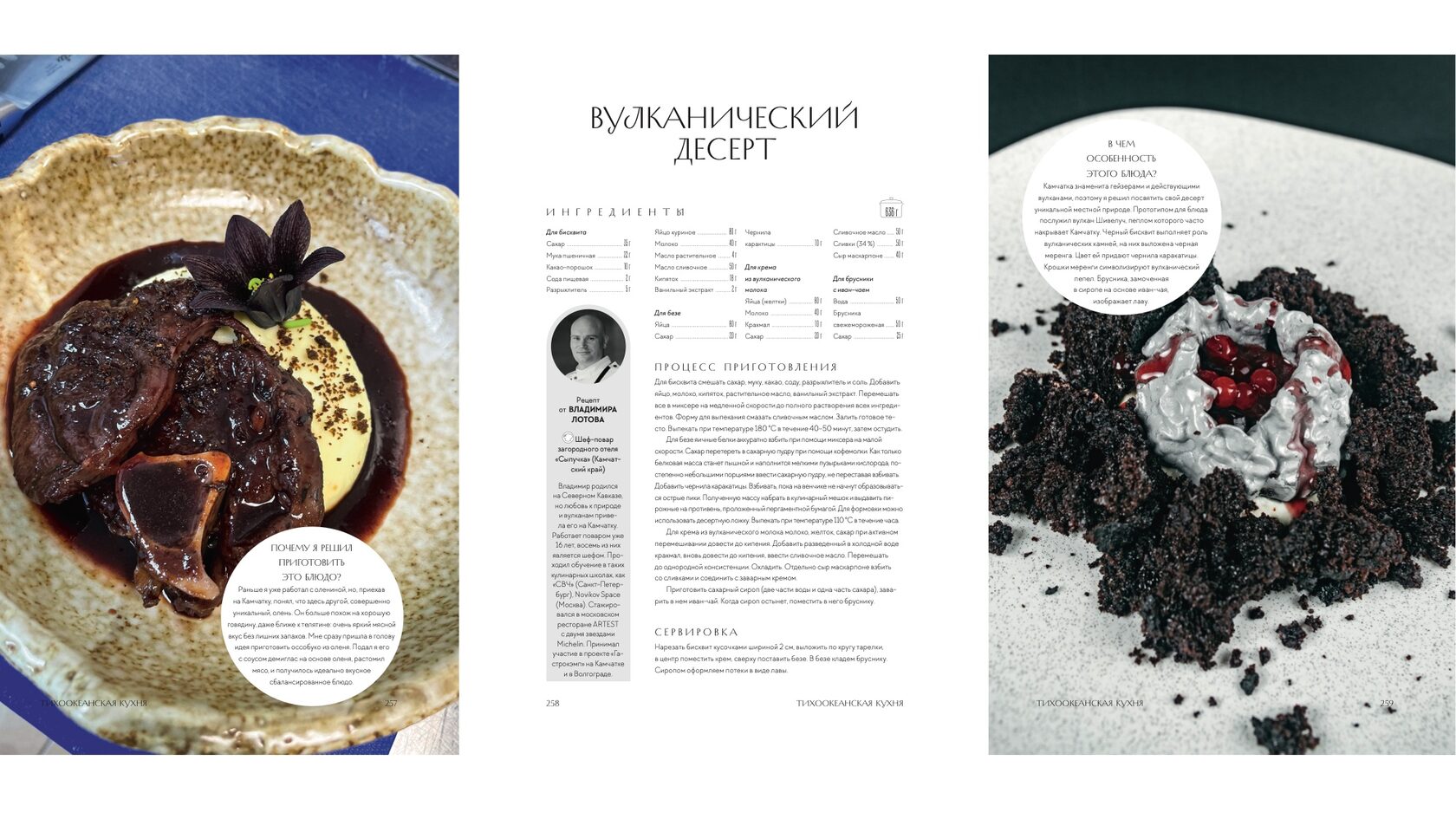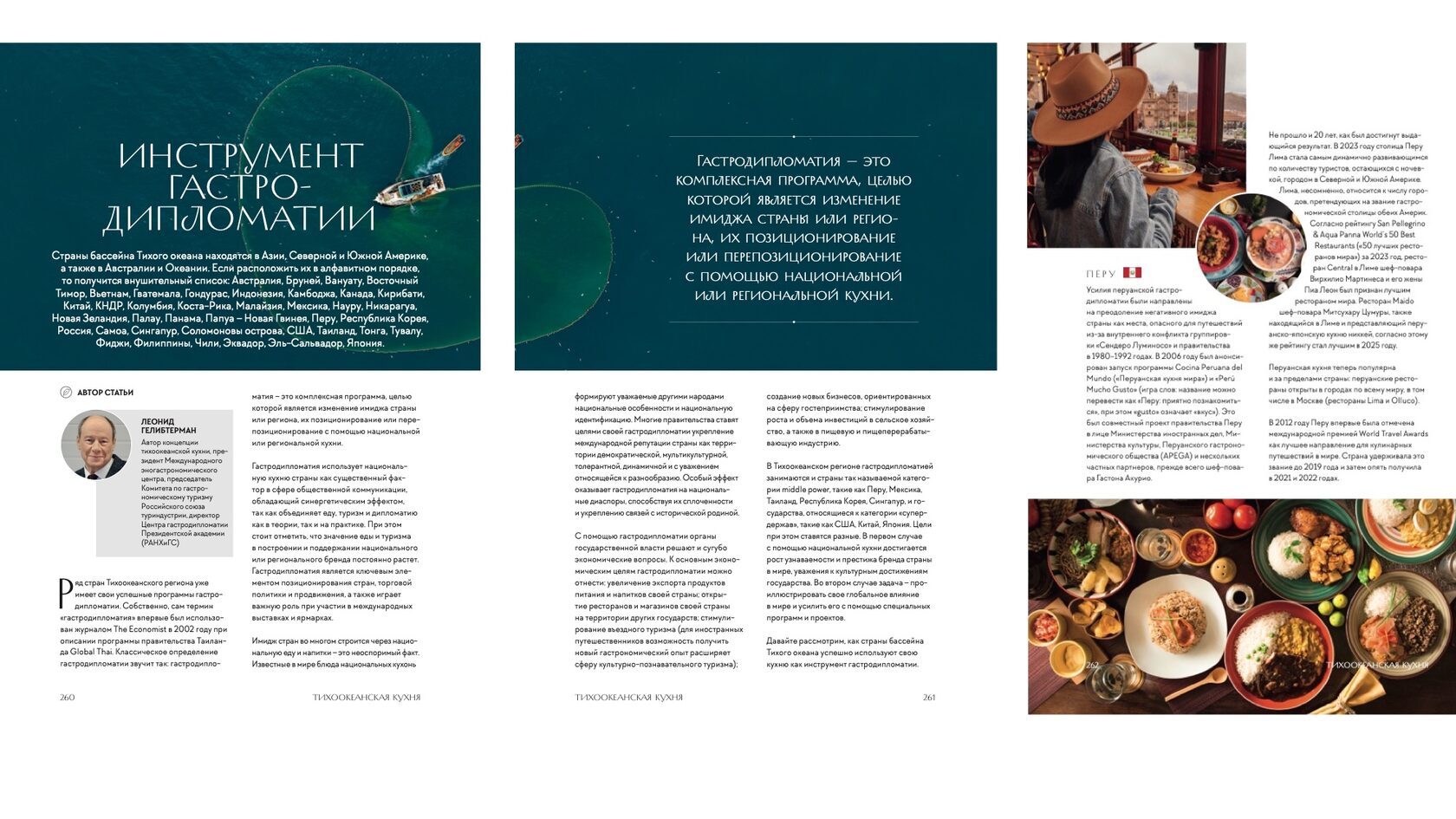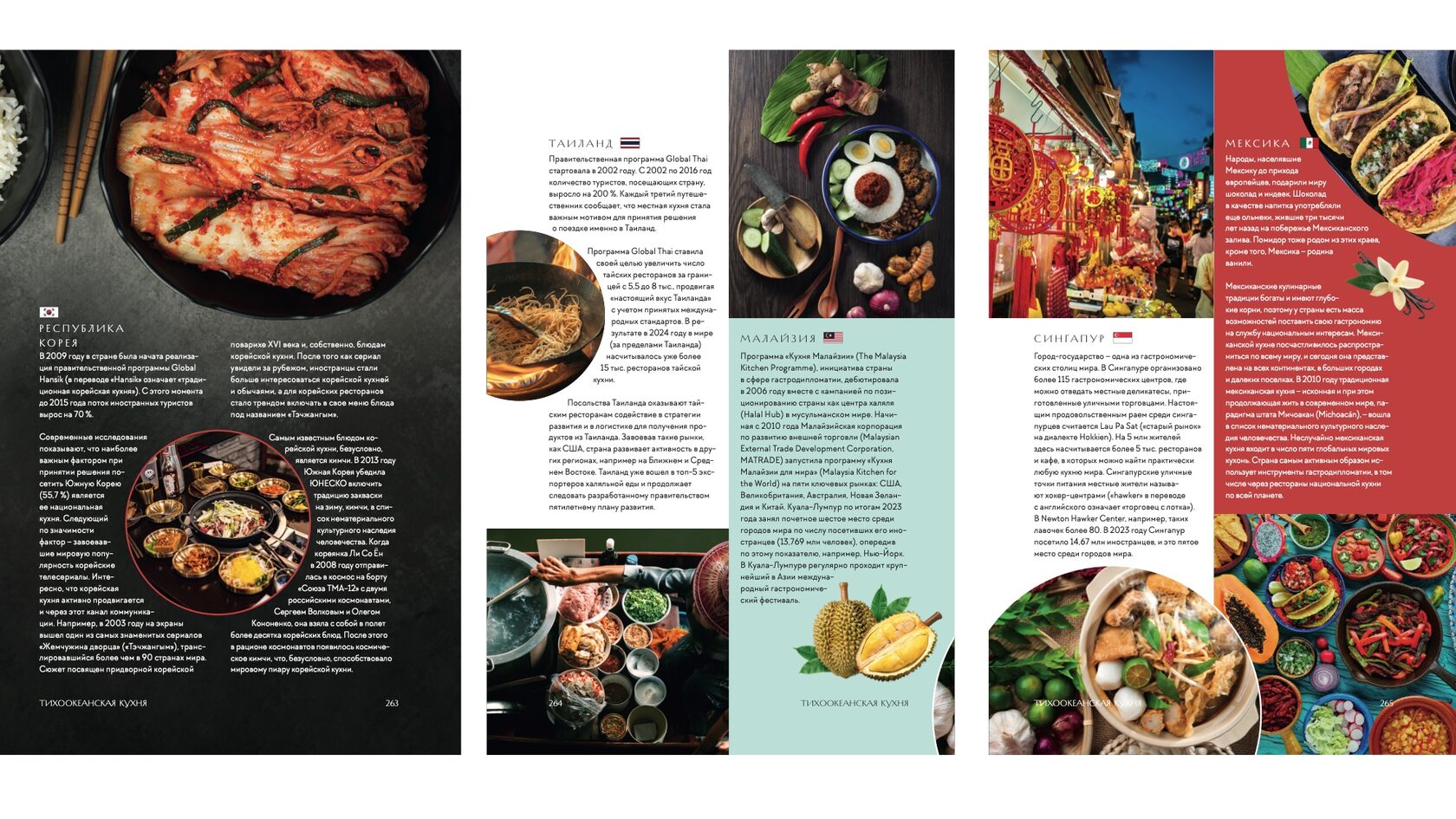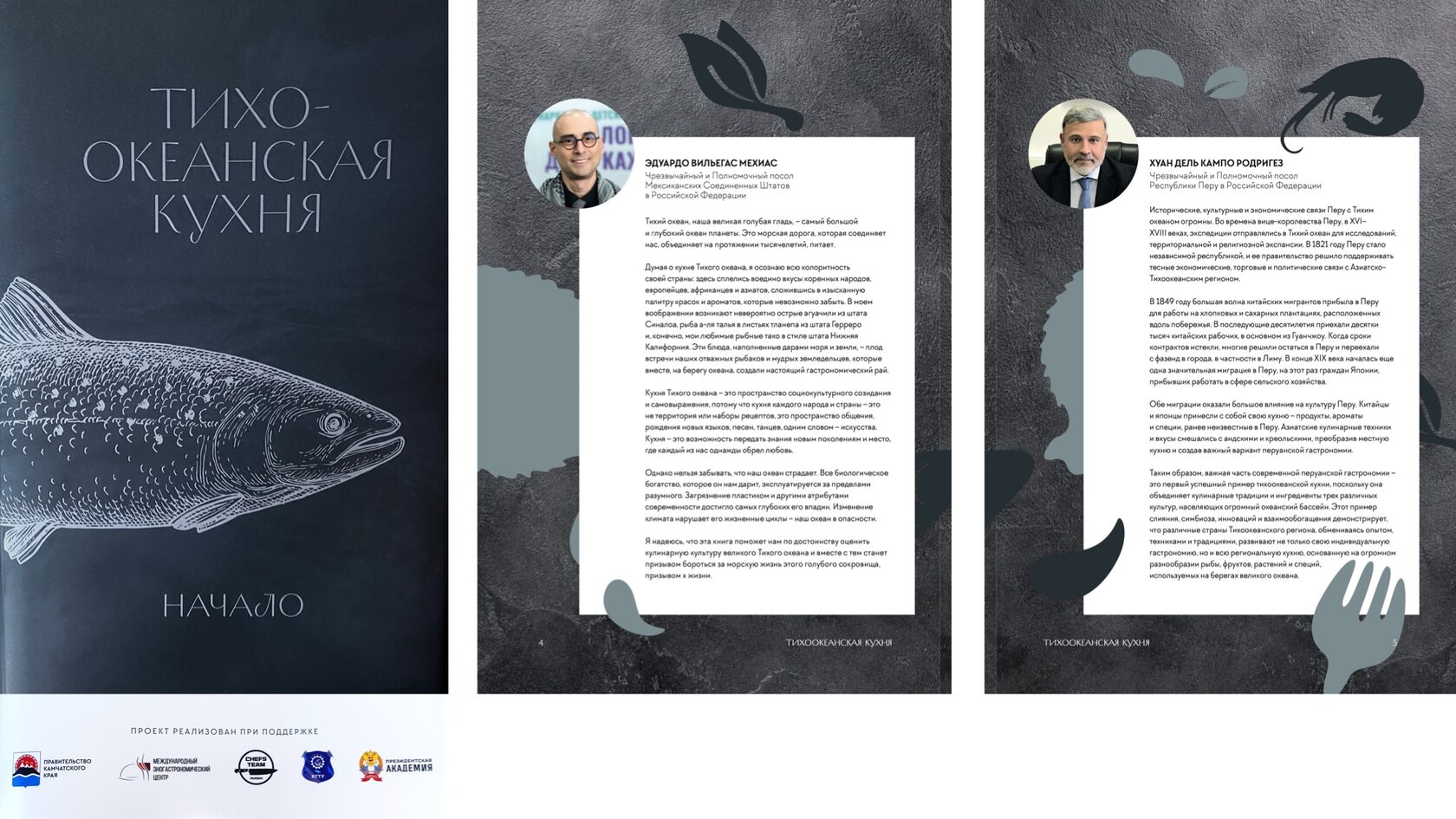
On the final day of the Eastern Economic Forum, a session dedicated to the gastronomic identity of the Russian Far East took place at the pavilion of the Ministry for the Development of the Russian Far East and Arctic. Speakers from Moscow, Kaliningrad, Sakhalin, and Kamchatka took part in the discussion. The key highlight of the event was the presentation of the book “Pacific Cuisine. Beginning” — the first major publication unveiling the unique culinary culture of the region.
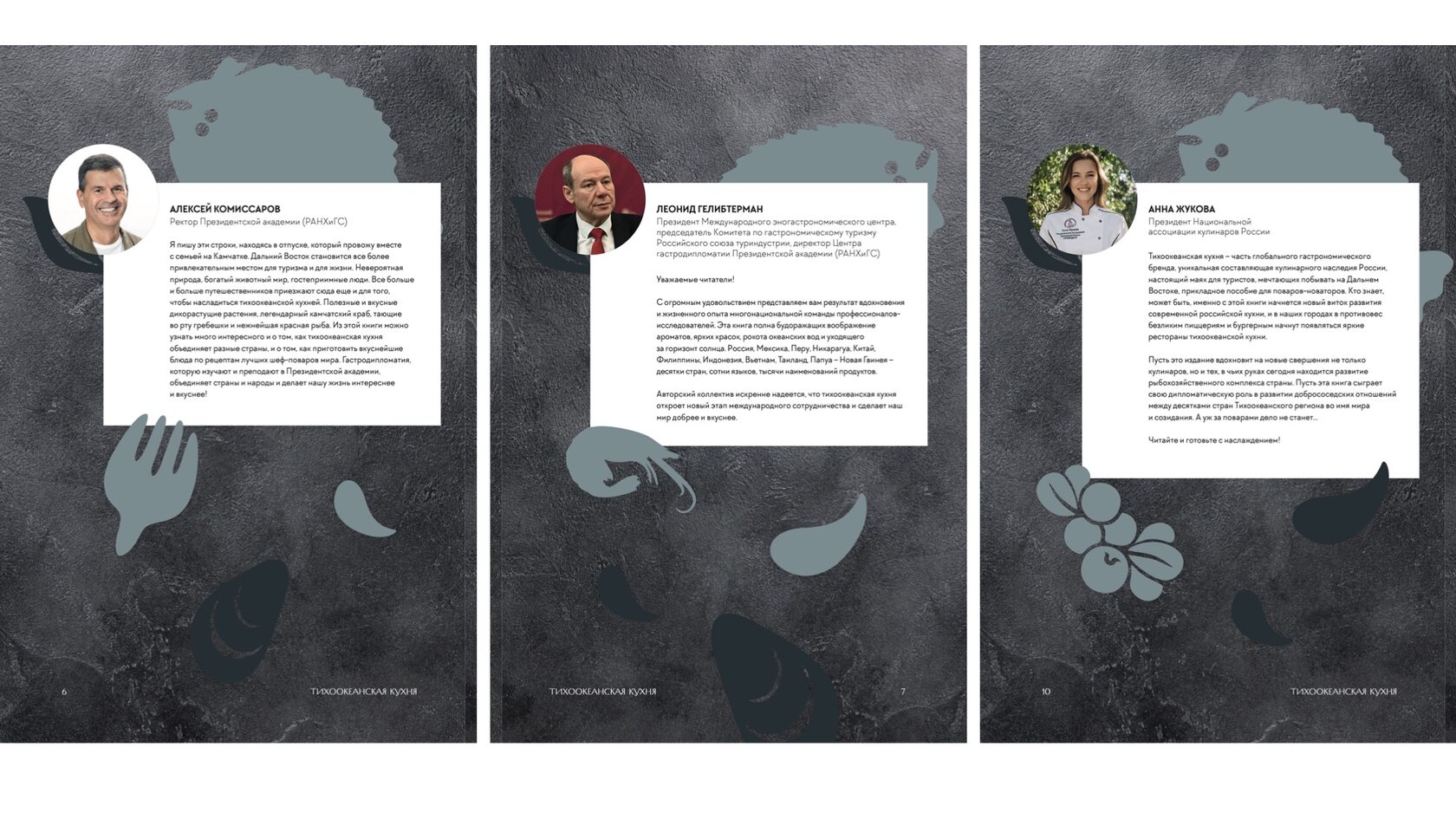
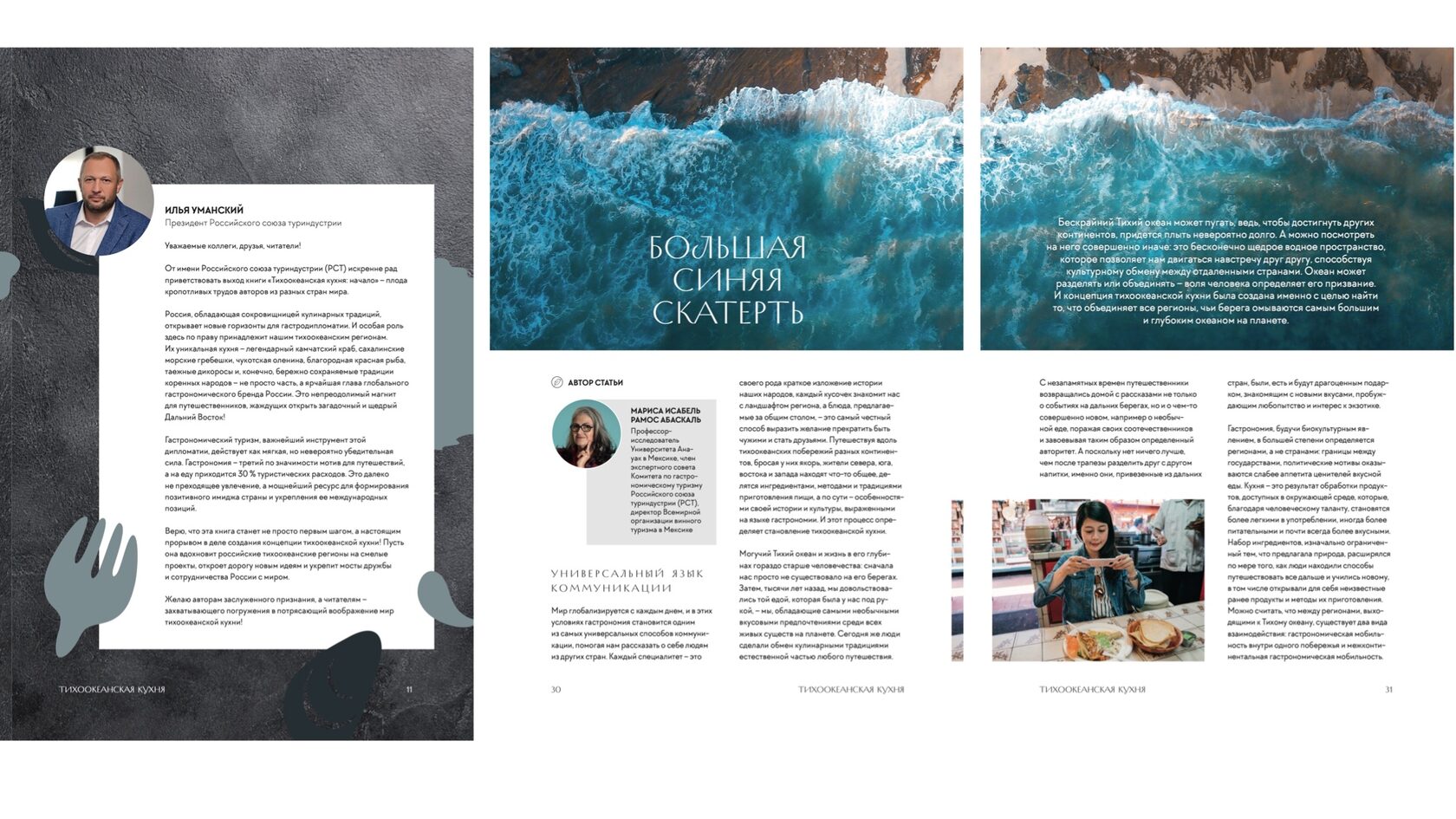
The book was initiated by the Ministry of Tourism of Kamchatka Krai and became a result of cross-regional and interdisciplinary collaboration. Leonid Gelibterman, ICWAG President and Director of the Center of Gastrodiplomacy at the RANEPA, served as the academic editor. Contributors include Inna Titova, PhD, Associate Professor, and Head of the Food Technology Department at Kaliningrad State Technical University; Natalia Belyakova, Director of the Department of Expeditions and Tourism at the Russian Geographical Society, Head of the Communications in Creative Industries Lab at HSE, and ICWAG partner; Lorenza Arlene Gonzales-Macaisa, Deputy Head of Mission and Consul General of the Embassy of the Philippines in Russia; Marisa Isabel Ramos Abascal, Research Professor at Universidad Anáhuac (Mexico), member of the Expert Council of the RST Committee on Gastronomic Tourism, and Director of the Global Wine Tourism Organization in Mexico; Paolo Vinturini, Goodwill Ambassador of the Northern Forum, Italian ultra-marathoner and traveler; and several other international experts. Forewords to the book were contributed by Alexey Komissarov, Rector of RANEPA; Oksana Ogii, Acting Rector of Kaliningrad State Technical University; Anna Zhukova, President of the National Culinary Association of Russian; Ilya Umansky, President of the Russian Union of the Travel Industry (RST); Pavel Vasiliev, Vice President of Chefs Team Russia; Eduardo Villegas Megías, Ambassador Extraordinary and Plenipotentiary of the United Mexican States to the Russian Federation; and Juan Genaro del Campo Rodríguez, Ambassador Extraordinary and Plenipotentiary of the Republic of Peru to the Russian Federation.
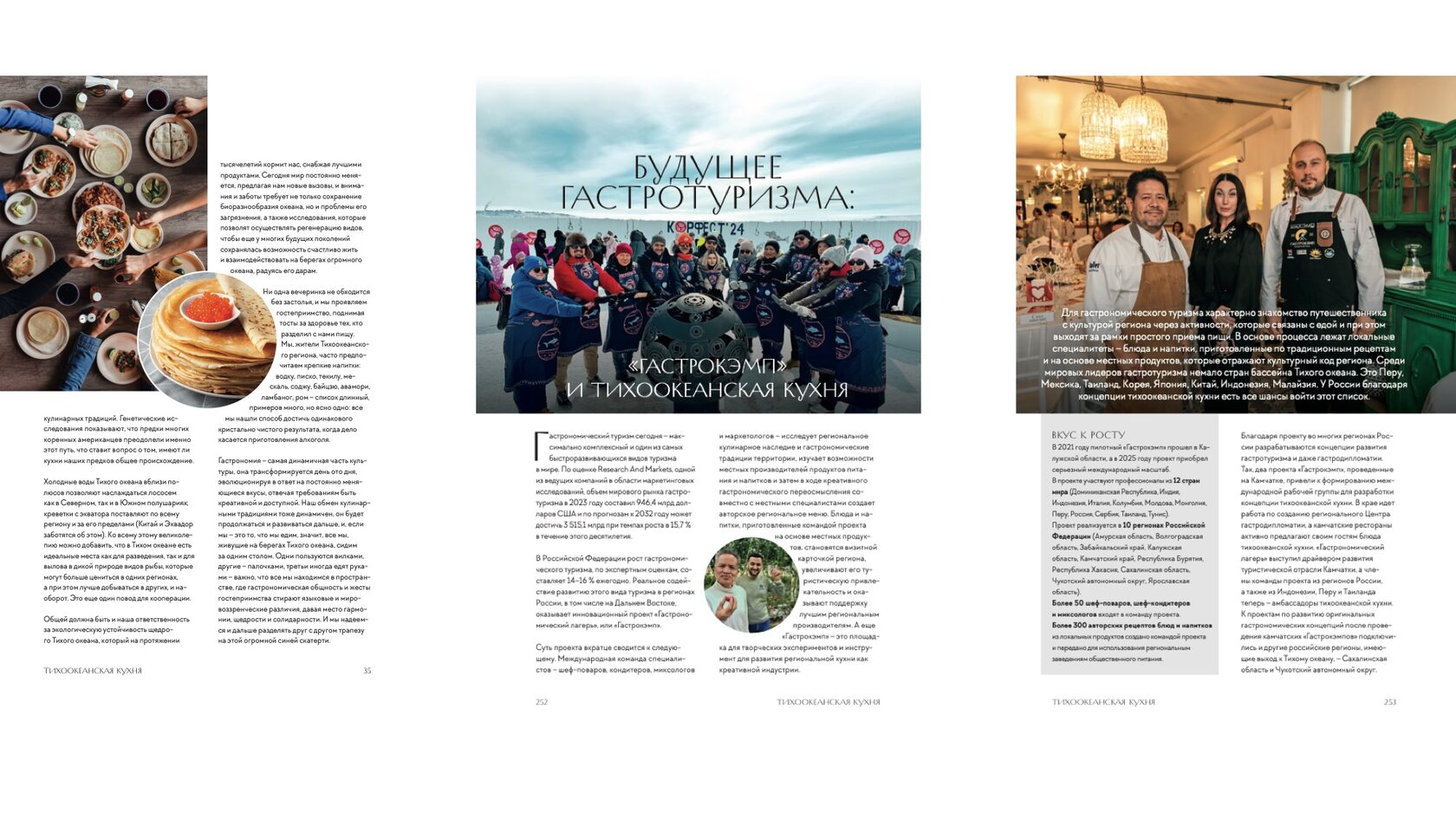
Recipes for the book were contributed by chefs from the “GastroCamp” project team: Tongsuk Channamom (Thailand), Anton Salknikov (Moscow), Vladimir Lotov (Kamchatka), Alexander Chernyshov (Moscow), Igor Pintusov (Kamchatka), Kirill Volovik (Chukotka), Andrey Legkiy (Moscow), Yulia Serbina (Kamchatka), and Igor Cherkasov (Kamchatka).
Vladimir Rusanov, Minister of Tourism of Kamchatka Krai, called on Far Eastern regions to unite around the concept of “Pacific Cuisine”:
“Pacific Cuisine” has every chance to become an umbrella brand uniting not only Russian regions but also countries of the Asia-Pacific region. The idea is to create a shared gastronomic space based on respect for local traditions, sustainable use of marine resources, and culinary dialogue among nations.”
Kamchatka, thanks to its geographical location, biological diversity, and growing expertise in enogastronomy, is poised to become a hub for gastronomic diplomacy in the Pacific region.
“Pacific Cuisine. Beginning” is not just a book. It is the first step toward a new cultural and economic agenda where food becomes a bridge between countries and oceans.”
The book was published by PressPass.
The book was initiated by the Ministry of Tourism of Kamchatka Krai and became a result of cross-regional and interdisciplinary collaboration. Leonid Gelibterman, ICWAG President and Director of the Center of Gastrodiplomacy at the RANEPA, served as the academic editor. Contributors include Inna Titova, PhD, Associate Professor, and Head of the Food Technology Department at Kaliningrad State Technical University; Natalia Belyakova, Director of the Department of Expeditions and Tourism at the Russian Geographical Society, Head of the Communications in Creative Industries Lab at HSE, and ICWAG partner; Lorenza Arlene Gonzales-Macaisa, Deputy Head of Mission and Consul General of the Embassy of the Philippines in Russia; Marisa Isabel Ramos Abascal, Research Professor at Universidad Anáhuac (Mexico), member of the Expert Council of the RST Committee on Gastronomic Tourism, and Director of the Global Wine Tourism Organization in Mexico; Paolo Vinturini, Goodwill Ambassador of the Northern Forum, Italian ultra-marathoner and traveler; and several other international experts. Forewords to the book were contributed by Alexey Komissarov, Rector of RANEPA; Oksana Ogii, Acting Rector of Kaliningrad State Technical University; Anna Zhukova, President of the National Culinary Association of Russian; Ilya Umansky, President of the Russian Union of the Travel Industry (RST); Pavel Vasiliev, Vice President of Chefs Team Russia; Eduardo Villegas Megías, Ambassador Extraordinary and Plenipotentiary of the United Mexican States to the Russian Federation; and Juan Genaro del Campo Rodríguez, Ambassador Extraordinary and Plenipotentiary of the Republic of Peru to the Russian Federation.
Recipes for the book were contributed by chefs from the “GastroCamp” project team: Tongsuk Channamom (Thailand), Anton Salknikov (Moscow), Vladimir Lotov (Kamchatka), Alexander Chernyshov (Moscow), Igor Pintusov (Kamchatka), Kirill Volovik (Chukotka), Andrey Legkiy (Moscow), Yulia Serbina (Kamchatka), and Igor Cherkasov (Kamchatka).
Vladimir Rusanov, Minister of Tourism of Kamchatka Krai, called on Far Eastern regions to unite around the concept of “Pacific Cuisine”:
“Pacific Cuisine” has every chance to become an umbrella brand uniting not only Russian regions but also countries of the Asia-Pacific region. The idea is to create a shared gastronomic space based on respect for local traditions, sustainable use of marine resources, and culinary dialogue among nations.”
Kamchatka, thanks to its geographical location, biological diversity, and growing expertise in enogastronomy, is poised to become a hub for gastronomic diplomacy in the Pacific region.
“Pacific Cuisine. Beginning” is not just a book. It is the first step toward a new cultural and economic agenda where food becomes a bridge between countries and oceans.”
The book was published by PressPass.